
An interview with Snarky Muse
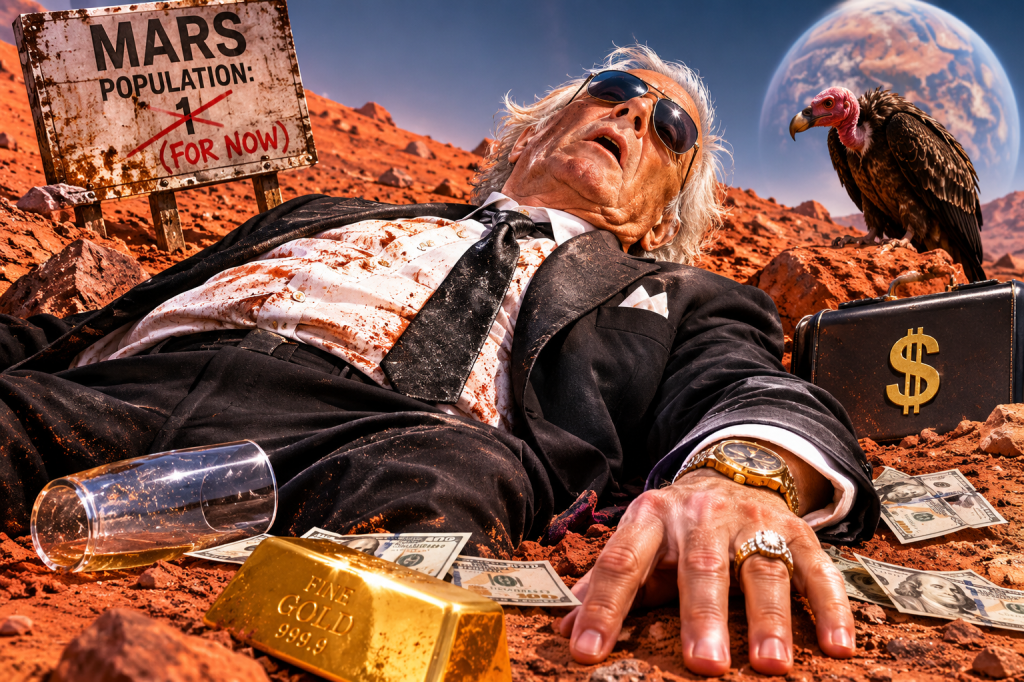
“Writing is not necessarily something to be ashamed of, but do it in private and wash your hands afterwards.” (Robert A. Heinlein)
SM (Snarky Muse): So, you’ve made it to fourteen.
MG (Me, Michael Greco): Yes. Fourteen novels. You should know. You’ve been there with me the whole time.
SM (blushing): It’s what I do. I inspire you to create great works of literature.
MG: But you don’t look anything like Sharon Stone.
SM: That movie was ages ago. Are you making fun of my weight again?
MG: And you’re green, with one enormous eye in the middle of your forehead.
SM: So? You only need one eye to see, genius. We muses come in different packages—and unfortunately, I’m stuck with you.
MG: Ask me about my novel.
SM: Fine. What’s this latest literary masterpiece about?
MG: It’s a Pinky Bell story. Adversity, addiction, vengeance, and the pursuit of justice.
SM: More Japanese culture?
MG: Of course. Japanese attitudes toward work, friendship, love, loyalty. And, most importantly, food.
SM: Aliens?
MG: Yes. The story is partly an homage to that seminal work by the Strugatsky brothers, Roadside Picnic (1971). I’ve also borrowed a smidge from another great story, Neil Gaiman’s Neverwhere.
SM: But the plot, characters, overall concept, come from your own enfeebled mind?
MG: How did you know that?
SM: (Shrugs its one shoulder.) So I suppose the rich guys are the baddies. Typical of your work. Always denigrating the wealthy. Is that because you never have any money?
MG: Social injustice, class struggle, economic division—They’re common themes in literature. Charles Dickens wrote about industrial exploitation and the divide between rich and poor in Victorian England. Victor Hugo examined institutional cruelty in France. Literature should challenge injustice.
SM: But you do some pretty cruel things to these billionaires. Did you really have to fly them into the sun?
MG: When it comes down to it, this is satire. And the whole point of satire is punching up at the elite classes—exposing their greed, vanity, moral decay, hypocrisy.
SM: The Great Gatsby?
MG: Exactly. And Pride and Prejudice, or Aravind Adiga’s The White Tiger.
SM: I see. But we get a happy ending, right?
MG: It’s a Pinky Bell story, so of course she subdues the bad guys while overcoming her inner anxieties. She also learns more about the mysterious tattoo on her butt, which may—or may not—give her superpowers. And she makes progress in the romance department with her boyfriend…
SM: Who happens to be an alligator.
MG: He’s a crocodile… sometimes.
SM: I see. A committed relationship, then. How did you come up with the title?
MG: Social media. I came across a satirical meme suggesting that a pile of dead billionaires on Mars sounded rather attractive to a lot of people. I agreed with the sentiment. The billionaires were easy enough to liquidate, but sending them all into space was irrelevant to the story. And somehow, the word pile just didn’t sit right. My editor and I eventually settled on No Teardrops for Dead Billionaires.
SM: Very tasteful. A little sentimental, perhaps.
MG: You can’t please everyone.
SM: Clearly. What’s next?
MG: I’m working on some short stories that use Cambodia as their setting and inspiration. They should be entertaining, and they’ll be coming out in 2027.
SM: Wonderful. More literary masterpieces. I suppose I’ll be expected to help with those, too. And what do I get out of this arrangement?
MG: Immortality. You’ll live on through my books.
SM: (Glowers with its enormous eye.) I’d rather have royalties.
Marcus Tullius Cicero: “A room without books is like a body without a soul.”


I look forward to this!
LikeLike